Category: history-timeline

Featured image for the article: 1940-1962

1940-1962

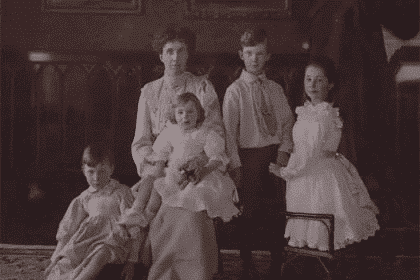
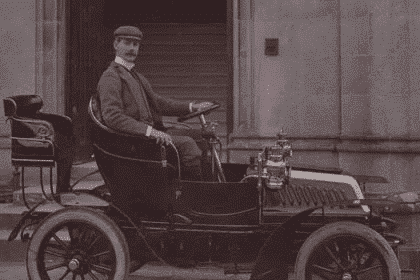
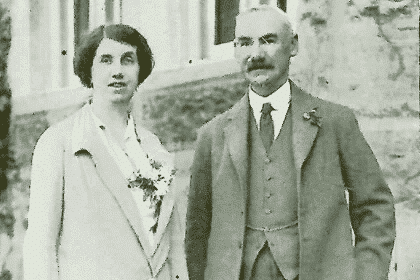
After Lady Ethel’s death, her oldest son, Sir Donough O’Brien, the 16th Baron of Inchiquin, and his wife, Lady Anne, daughter of Viscount Chelmsford, a Viceroy of India, managed to maintain Dromoland Castle as a traditional ancestral home for more than twenty years. Lord Inchiquin tried to make the estate self-supporting as a dairy farm,…
Featured image for the article: 1014

1014

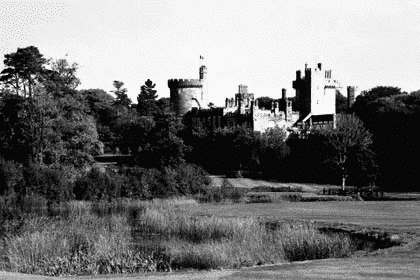
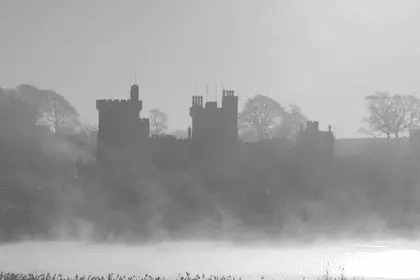
Donough O’Brien, a son of Brian Boru, controlled Dromoland when it was a defensive stronghold. It was similar in structure to Bunratty Castle, which was also an O’Brien stronghold at that time. For the next 900 years a branch of the O’Briens lived and ruled from Dromoland Castle.

Featured image for the article: 1730

1730

Sir Edward O’Brien, the 2nd Baronet, was revered as a famous racehorse owner and trainer. He built the Turret on the hill opposite the entrance to Dromoland Estate, from where he would observe his horses race. He once gambled the estate on a horse race; mercifully, Sean Buis won the race and saved the estate.…

Featured image for the article: 1543

1543

The chief of the Clan O’Brien, Murrough, 57th King of Thomond was forced to surrender his royalty to King Henry VII, thus becoming the Baron of Inchiquin and First Earl of Thomond. Records show that the castle was rebuilt during this period

Featured image for the article: 1651

1651

Conor O’Brien of Lemenagh Castle was killed in battle by the Cromwellian army. His widow Maire Rua or Red Mary O’Brien agreed with General Ireton as a mark of good faith to marry an officer in the Cromwellian army in order to save the family estate. She married Cornet John Cooper thus preserving the Estates…

Featured image for the article: 1650

1650

Sir Donough O’Brien moved the most powerful branch of the O’Briens to Dromoland in the late 17th century. He was an astute man and managed to avoid declaring for either King James II or King William. He was at that time reputed to be the richest man in Ireland.

Featured image for the article: 1921

1921

The IRA leaders in Dublin marked Dromoland Castle for destruction. However, sabotage orders were reversed at the last minute at the urgent request of local IRA leaders in County Clare, who argued that the Inchiquin Lords had been fair and benevolent in dealing with their tenant farmers. Sir Lucius O’Brien, the 13th Baron of Inchiquin…